- +1 (310)-392-0815
- [email protected]
- 10820 Washington blvd. Culver CIty, CA 90232

Understanding the Stanislavski Technique in Modern Acting
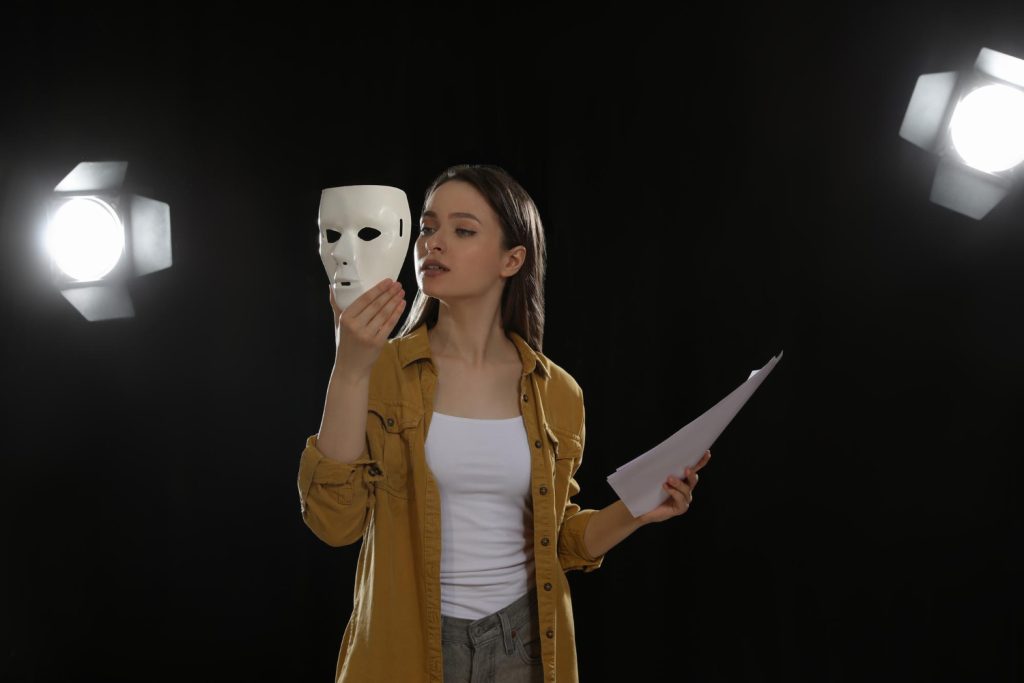
When we talk about acting that feels real and honest, the Stanislavski acting techniques often come up. These ideas are all about helping actors play their roles in ways that make sense and connect with real feelings. Instead of just saying lines, actors learn how to think, feel, and react like the characters they are playing.
This way of working is still common in acting classes today because it helps build strong habits that carry over into auditions, rehearsals, and performances. Even with newer styles and trends in film and theater, the techniques created by Stanislavski still show up in scenes and choices actors make on stage and screen. They give performers tools to go beyond pretending and step into a character’s life in a genuine way.
Where the Stanislavski Method Came From
Konstantin Stanislavski was a theater director who began thinking in new ways about acting back in the early 1900s. He believed actors could be more than just performers who recite lines from a script. He wanted them to feel each moment genuinely, from the inside out.
Before Stanislavski, theater performances were usually bigger, louder, and much more dramatic. He shifted things toward something deeper and more human. He came up with ideas that made actors slow down, think about what their characters want, and react in ways that felt genuine. Several of his early ideas stuck around and shaped the way many actors still train today:
- Actors should study a character’s life and goals, not just memorize lines
- Emotions can come from real-life memories or personal imagination
- Quiet choices on stage can feel more powerful than loud ones if they are built on truth
He did not call his method Stanislavski acting techniques at first. That name came later as his ideas spread into studios, scenes, and schools around the world.
What Makes the Stanislavski Technique Different
One big part of the Stanislavski method is making each moment feel lived. That means forgetting about performing and instead focusing on what the character wants in that scene.
We go back to a fw basics when we teach this idea:
- Emotional truth matters more than big expressions
- Characters always have an objective, or a goal they are working toward
- The magic if helps actors ask, “What would I do if I were in this situation?”
Using these tools, actors can move their focus away from worrying about how they look and toward living genuinely in the moment. That shift changes a good performance into a strong one. Instead of acting the part, they understand it from the inside. That is what makes this technique stand out, even today.
How Actors Use These Techniques Today
You do not need to go back in time to see how these ideas work. Stanislavski’s influence can be seen in many modern performances, from quiet film scenes to bold stage work in places like Los Angeles, California. Actors still use these same techniques, whether they are just starting out or preparing for a major role.
Many actors begin practicing these skills by working through simple scenes during class. Here is how the process often looks:
- Reading a scene and asking, “What does my character want right now?”
- Using small memories or personal images to bring real emotion into the work
- Rewriting habits of acting and trading them for focused, grounded choices
Actors are always learning, and the process repeats each time they step into a new role. That is why this method is still around, not as something old, but as something active and useful.
Why These Techniques Still Matter
Some tools in acting never go out of style. This is one of them. That is because it gives actors a solid base. When someone knows how to stay honest in a scene, even a short one, people watching can feel it.
Actors often say scenes feel easier when they know how to center themselves using techniques like these. It keeps them from forcing emotions and helps them build characters with actions that make sense. The good news is, these habits carry into all kinds of work, from long rehearsals to short cold reads.
Here is why this technique still supports growth today:
- It cuts down guesswork by helping actors make clear choices
- It grounds performers when nerves start to take over
- It helps actors stay present with their scene partner
When actors feel more prepared, they act with more freedom. These habits allow performances to unfold naturally, without pushing or pretending.
What Happens When You Train With Guidance
Reading about Stanislavski’s ideas is helpful, but real progress comes through practice. It is one thing to learn about objectives and emotional truth. It is another to try them out with live feedback.
In class, actors get to hear honest thoughts from instructors and classmates, which helps fine-tune their choices. That kind of support is not about doing things correctly. It is about trying, adjusting, and understanding what feels true in a scene. Classes also give actors room to:
- Try scenes more than once with new direction
- Learn how it feels to stay in character under pressure
- Watch others apply the same techniques in fresh ways
The safer the space, the more honest the work becomes. That space leaves room for the kind of reflection actors do not always get when working alone. It is where small changes start to add up and real confidence takes shape.
Acting with Truth: Bringing Characters to Life
Actors return to Stanislavski acting techniques because they work. Not just in theory, but in real rehearsals, auditions, and filmed scenes. These ideas help performers make sense of a character, trust their instincts, and stay present in the work.
As spring nears in Los Angeles, California, many actors will be looking for fresh ways to stretch themselves. Practicing the basics of character work and emotional truth makes a big difference, whatever the role. This method helps actors build something solid, one scene at a time. It is not about memorizing a method. It is about building habits that last.
At Michelle Danner Acting Studio, we focus on helping actors build lasting skills with tools that support honest performances and strong character choices. Whether you are new to scene work or eager to deepen your craft, practicing under expert guidance can make a real difference. Many of our students get started by learning core methods like the Stanislavski acting techniques in a class setting, where feedback and repetition sharpen instincts. When you are ready to train with purpose in Los Angeles, California, we are here to support your next step. Reach out to get started.
Contact us
IN-PERSON ACTING CLASSES
ONLINE ACTING CLASSES
KIDS AND TEEN ACTING CLASSES
INTERNATIONAL STUDENTS
Short term acting classes
Acting workshops
Our Mission
The Michelle Danner Acting School’s philosophy is that artists can draw upon all different acting techniques & form an individual “Golden toolbox” to use when approaching a role or a scene, whether it be for film, television, or theater. The acting school’s acting techniques are based on Meisner, Strasberg, Stella Adler, Uta Hagen & the Stanislavsky acting Technique.
Michelle Danner’s alumni include Penelope Cruz, Seth MacFarlane, Salma Hayek, Henry Cavill, Zooey Deschanel, Gerard Butler, Chris Rock, Chris Martin, Michael Peña, Michelle Rodriguez, Kate Del Castillo and many others.
The acting school offers classes for all levels: beginner, intermediate, and advanced.
• Classes include:
• Acting for Film
• Scene Study
• Cold Reading
• Musical Theater
• Movement
• Voice and Speech
We are one of the elite acting schools in California, known for training successful actors.
A variety of acting classes are offered in Los Angeles to help students hone their craft and jumpstart their careers.
What makes us different
Our acting program differs from other acting schools in Los Angeles, since we teach every acting technique & method, including the Meisner technique, Lee Strasberg’s method, Stella Adler, Stanislavski’s method & Uta Hagen technique.
Online Acting Classes
Scene Study & Monologues |
Meisner acting technique |
Cold Read Auditioning |
Improvisation
- Develop a strong acting foundation.
- Learn to make powerful acting choices
Acting Techniques
• The Actor’s Golden Box (acting technique) | Meisner Acting Technique | Stella Adler Acting Technique | Uta Hagen Acting Technique | Stanislavski Acting Technique | Training & Workshops: | Audition Training Classes & Workshops (Film & Television) | Scene Study Classes & Script Analysis | Improvisation | Performance & Preparation: | Acting Demo Reels | Voice & Speech | General American Accent & Dialects | Industry & Career Guidance: | Breaking into Hollywood: The Business of Acting | Coaching Options: | Private Coaching (Audition Coaching, Dialogue Coaching, On-Set Coaching) | Online Coaching & Private Acting Classes
Contact us
Call us to find out about the best acting classes in Los Angeles and to learn more about our best acting teachers in Los Angeles, 310-392-0815 or email us at [email protected]

Unlock your full potential as an actor—enroll today and take the first step toward mastering your craft with world-class training and personalized coaching
Contact Info
- 10820 Washington blvd. Culver CIty, CA 90232
- 310-392-0815
- Mon-Fri 10am-6pm
join our Newsletter
Sign up for our newsletter to receive acting tips and casting calls.
© 2025 Michelle Danner Acting Studio. All Rights Reserved.