
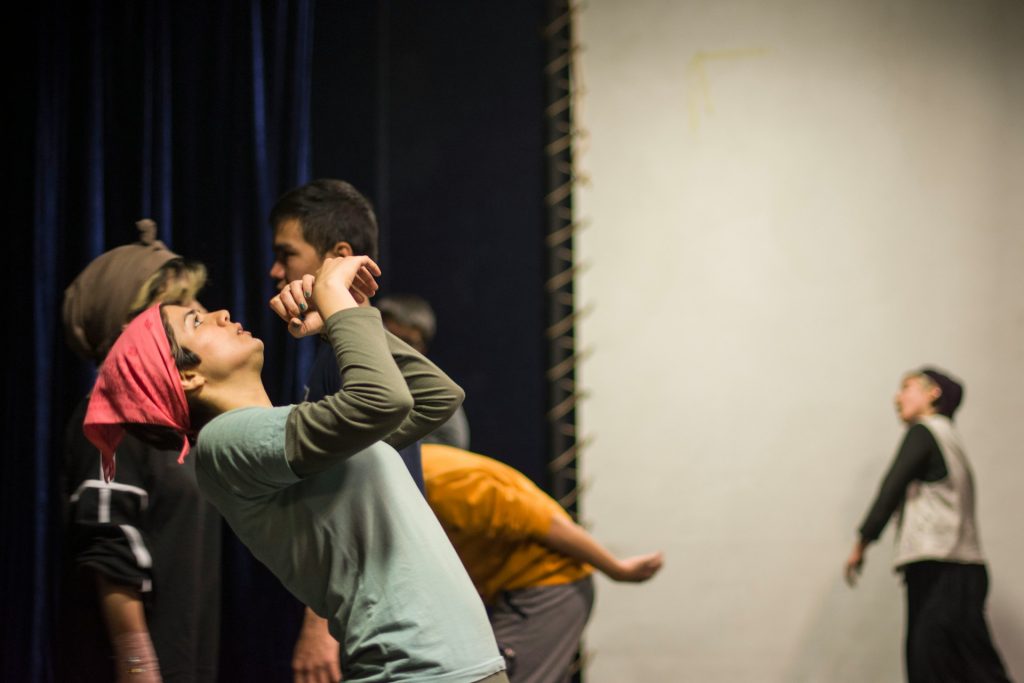
Start Your First Class with Curiosity, Not Pressure
Starting your first acting class in the fall can feel exciting and scary at the same time. You might be signing up for classes, buying a notebook, and also wondering, “What is Method Acting and do I have to do that to be a real actor?” Those questions are normal. Being nervous does not mean you are not ready. It just means you care.
Your first acting class is not a test of how broken you can be or how much you can cry in front of strangers. It is a space to explore tools, build confidence, and learn how acting actually works. Questioning method acting, or any technique, is not a sign that you are weak. It is a sign that you are smart and that you value your mental and emotional health.
At our studio in Los Angeles, we teach several approaches side by side, like Meisner, Stella Adler, Stanislavski, on-camera work, and more. New actors get a broad base, instead of being pushed into one style before they know what fits. By the end of this article, you will have a clearer idea of what Method Acting really asks of you, how to stay safe with emotional work, and what questions to bring into your first class this fall.
What Method Acting Is Really Asking You to Do
When people ask, “What is Method Acting,” they are usually talking about an approach that grew out of Stanislavski’s work. In simple terms, Method Acting is about emotional truth. It asks you to connect deeply to a character, often through your own memories, feelings, and thoughts, so that your acting feels real and alive.
There is a big gap between how Method Acting started and how it is often shown on social media or in interviews. Originally, it was a craft built in rehearsal. It was about careful practice, careful choices, and repeatable technique. Over time, stories spread about actors who stayed in character all day, hurt their bodies, or dug into old pain to get a result. Those extreme versions get a lot of attention, but they are not the full picture.
Some tools often linked with Method Acting are:
- Sense memory, using remembered sights, sounds, tastes, smells, and touch to bring a moment to life
- Emotional recall, bringing back a personal feeling and connecting it to the scene
- Substitution, swapping your own life details into the character’s situation
- Staying connected to impulses, letting real thoughts and reactions show up in the moment
A few common myths can be dangerous, especially for beginners:
- You must suffer to act well
- You must stay in character 24/7 to be serious
- You must dig up your biggest trauma right away to “prove” your commitment
These ideas can lead new actors to push past their limits without a safety net. When you are just starting, you are still learning where your emotional edges are. You are also building trust with your teacher and classmates. Jumping into intense emotional recall too fast can feel confusing, exhausting, or even re-triggering, especially if you do not yet have tools to ground yourself.
Staying Safe While Exploring Deep Emotions
Emotional safety is not extra; it is a core acting skill. When you start new classes in the fall, you are already juggling schedules, new people, and maybe school or work. Your nervous system is taking in a lot. Taking care of yourself in acting class helps you last for the long term.
A few simple habits can support you in your first class:
- Warm up your body, even for a few minutes
- Warm up your voice with gentle sounds and breathing
- Notice how you feel that day (tired, anxious, calm, excited)
- Remind yourself that you can always say no or ask to sit out
There is a big difference between stretching your comfort zone and crossing your safety line. For example, exercises like:
- Repeating lines while making eye contact
- Doing physical actions bigger than you are used to
- Saying a text louder, softer, faster, or slower
These might feel awkward and stretchy, but they are still generally safe. On the other hand, a teacher asking you to describe real-life trauma in detail on your very first day is a red flag. So are moments when:
- You feel pressured to reveal more than you want
- Classmates laugh or roll their eyes if you set a limit
- A teacher keeps pushing even when you are clearly upset
In a professional studio, it is okay to ask, “Can we try this another way?” or “This feels too personal for me.” You might also ask for a quick break, a drink of water, or a different exercise. When your boundaries are respected, you can take risks in your work while still feeling held and seen.
Balancing Method with Other Powerful Techniques
“What is Method Acting” is only one question. A bigger question is, “What tools help you tell the truth safely?” That is why training in more than one technique can be so helpful, especially when you are new.
Here is a simple way to look at a few approaches:
- Meisner focuses on truthful behavior, listening, and living in the moment with your partner
- Stella Adler puts a strong focus on imagination and building rich, detailed circumstances
- Stanislavski looks at both physical and psychological actions, what you do and why you do it
Some actors respond strongly to emotional recall and Method-style tools. Others find that too intense, especially if they are dealing with stress, loss, or mental health challenges in their personal life. Learning different methods keeps you from thinking, If I cannot do this one thing, I am not a real actor. Instead, you start to see that you can reach deep feeling in many ways.
For example, if using a painful personal memory feels unsafe, you can:
- Use imaginative circumstances to build the emotion
- Focus on strong physical actions, like packing a suitcase or pleading with someone
- Work with music, images, or text to open your feelings more gently
A well-rounded curriculum lets you mix and match tools. That way, you discover which paths bring out your best work while still respecting your mental health. At our studio, we want actors to leave class feeling challenged in a good way, not shaken or drained in a harmful way.
Questions to Ask Your Teacher About Method Acting
Walking into your first class with clear questions can shift the whole experience. It shows you care about your craft and your wellbeing. It also gives your teacher a chance to explain how they work.
You might ask:
- Will we use personal memories in this class, and if so, how will you keep us safe?
- Do I need to stay in character outside of class or rehearsal?
- What happens if an exercise feels too intense or personal for me?
- How do we cool down after heavy scenes or emotional work?
- If I do not want to use emotional recall, what other tools can I practice to create truthful performances?
As you listen, notice how your instructor responds. Are they open to questions? Do they give specific answers instead of vague promises? Do they respect the idea that students have different limits? That first conversation can set the tone for your whole fall session and beyond. It tells you if this is a space where you can grow with both courage and care.
Step Into Class Ready, Grounded, and in Control
As you get ready for that first acting class, you can choose a simple intention: “I am here to explore, learn, and protect my wellbeing while I grow as an artist.” Method Acting can be one useful part of that growth, but it is not the only way, and it should never override your safety or self-respect.
Studios that teach multiple techniques, welcome honest questions, and value emotional boundaries give you a strong base for a long creative life. At Michelle Danner Acting Studio, we believe you should leave class feeling more connected to yourself, not less.
Before you walk through the door, you might run through a quick mental checklist: know a few of your limits, bring your questions, plan to warm up and cool down, and give yourself full permission to slow or stop any exercise that feels like too much. With that mindset, you can step into training this fall with clarity, confidence, and a sense that you are the one in charge of your own instrument.
Take The Next Step In Your Acting Journey
If you are ready to deepen your craft and fully inhabit your characters, we invite you to explore our resource on What is method acting and see how these techniques can support your growth. At Michelle Danner Acting Studio, we guide actors at every level with practical tools and individualized feedback. If you have questions or want help choosing the right class for your goals, contact us so we can support your next move.