Unlock Emotional Truth on Camera
On camera, audiences can feel the difference between a line that is spoken and a moment that is truly lived. With streaming shows, short clips, and self-taped auditions everywhere, people are hungry for performances that feel real, not performed. Casting teams are watching dozens of tapes in a row, and they can spot a fake smile or a forced tear in seconds.
Many actors work hard to memorize lines, hit marks, and find the right eyeline. Yet their work still feels flat. They might think they are showing emotion, but to the lens it looks like they are indicating what they think the character should feel.
This is where the Meisner acting technique becomes powerful. It helps actors connect honest emotion with clear on-camera work, so the camera catches something alive instead of something posed. In this article, we will break down what Meisner is, how it connects to film and TV, and how you can start training both in person and online to bring more truth to your next close-up.
What Makes the Meisner Acting Technique Unique
The Meisner acting technique is built around a clear idea: living truthfully under imaginary circumstances. Instead of trying to show emotion, you train yourself to really listen, really respond, and let honest behavior come out in the moment. It is less about thinking, and more about doing and reacting.
Three core building blocks are at the heart of Meisner work:
- Repetition
- Independent activities
- Emotional preparation
Repetition trains your focus on your partner. You repeat simple phrases back and forth, noticing behavior and subtle changes. The point is not the words; it is what is happening between you. Independent activities give you something real and challenging to do so your attention is grounded in action, not in how you look. Emotional preparation helps you connect to a truthful emotional state before you enter a scene, so you are starting from a lived inner life instead of a blank face.
When people first hear about acting techniques, they often hear names like Stanislavski or Stella Adler. Those methods also explore character, given circumstances, and imagination. Meisner connects especially well to on-camera work, because it leans into impulsive behavior and partner connection. For the lens, small, honest shifts in behavior are much more powerful than big, planned choices. Meisner helps those small shifts show up without you forcing them.
From Stage Roots to Close-up Reality
Meisner training started in the theater, at the Neighborhood Playhouse in New York, with actors working on stage scenes and exercises. It was built for live performance, where you share space with your partner and the audience. Even though it began on stage, the core ideas are almost made for the extreme close-up.
On camera, the frame catches tiny details, like a quick glance or a breath. Meisner training sharpens your ability to live truthfully so those tiny moments are not empty. Instead of acting out how you think a scene should look, you respond to what is actually happening. That response can be small, but it is real, and the camera loves that.
For film and TV, this means:
- Smaller, more specific behavior
- Less acting, more honest reaction
- Clear focus on your partner, not on yourself
Casting directors and directors want actors who can keep a scene alive take after take. The Meisner technique supports that. When your attention stays on listening and responding, every new take has fresh life. This is especially helpful when you are working in episodic TV, streaming projects, or during busy audition periods like pilot season or summer casting bursts.
Translating Meisner Exercises to On-Camera Work
In a classroom, Meisner exercises might look simple: two people in chairs, repeating a line back and forth. Add a camera, and that same exercise becomes a direct way to train your on-screen presence. The repetition is no longer just a game. It becomes a way to stay alive between action and cut, even when you are saying the same lines again and again.
Stage work often asks you to reach the back row, with bigger choices and a wider physical life. On camera, the lens comes closer than any audience seat. With Meisner, you learn to trust that:
- A real thought is enough
- A small shift in attention reads clearly
- Honest listening can be more powerful than big emotion
For self-tapes, this is a gift. Many actors over-plan their tapes. They decide where to cry, where to pause, where to look away. The result can feel stiff and over-rehearsed. Meisner-based work helps you set clear emotional preparation, then let the scene unfold. You still know your lines, your frame, and your eyeline, but you are not locked inside a rigid plan.
During busy self-tape seasons or summer intensive stretches, you can lean on Meisner tools to keep your work fresh. Before taping, you can prepare emotionally, connect to what you want from your partner, and then let your listening guide each take. That way, the tape feels alive, not performed.
Inside Meisner Training at Michelle Danner Acting Studio
At our studio in Los Angeles, we treat Meisner as one important part of a complete acting toolbox. Actors are different, and roles ask for different approaches, so we bring together Meisner training with methods like Stanislavski and Stella Adler. The goal is to help you build a flexible way of working that supports both stage and on-camera projects.
In Meisner-focused in-person classes, actors usually move through stages of training:
- Foundational repetition work that builds listening
- Independent activities that sharpen focus and truth
- Emotional preparation and entrance work
- Scene study and on-camera exercises that bring it all together
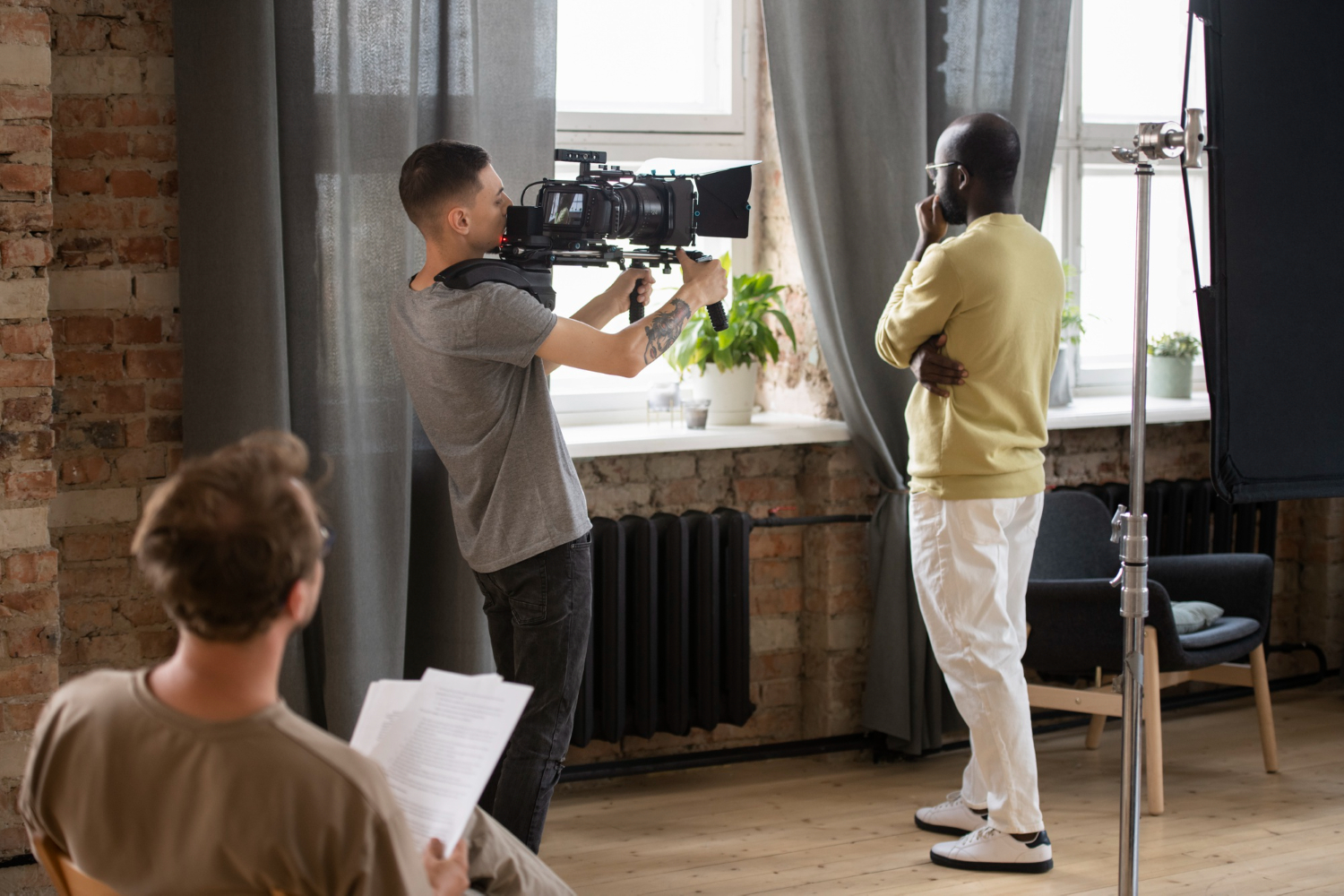
Partner work is at the core. You learn to place your attention fully on the other actor, even with a camera right in front of you. On-camera drills help you adjust your work for different shot sizes, from wide shots to tight close-ups, without losing the Meisner truth underneath.
For actors who are not in Los Angeles, online classes can bring this training to you. Live coaching, partner exercises on video, and taped scene feedback all support your growth, even when you are working from your living room. This is especially helpful in the summer, when you might be traveling or working a flexible schedule but still want to train for upcoming auditions and professional work.
Train for Meisner Truth in Your Next Close-up
Reading about Meisner is helpful, but the technique really clicks when you feel it in your body. The first time you forget yourself, truly listen, and let a moment surprise you, you understand what living truthfully on camera can do for your work. That sense of presence can carry into every audition, every set, and every self-tape you create.
At Michelle Danner Acting Studio, we care about helping actors find that honest, specific life in front of the lens. When you commit to Meisner training and apply it to on-camera work, your performances tend to grow more grounded, more responsive, and more emotionally clear. Shot by shot, scene by scene, you build the kind of truth that makes people lean in, which can make a real difference when it is time for your next close-up.
Start Training With Proven Meisner Techniques Today
If you are ready to build truthful, moment-to-moment acting work, our team at Michelle Danner Acting Studio is here to guide you. Explore our Meisner acting technique classes to develop deeper emotional connection, sharper listening, and more spontaneous performances. We will help you apply these tools on stage, on camera, and in auditions so your work stands out. Have questions about schedules or placement, or want help getting started, just contact us.